Presets Were Always a Compromise
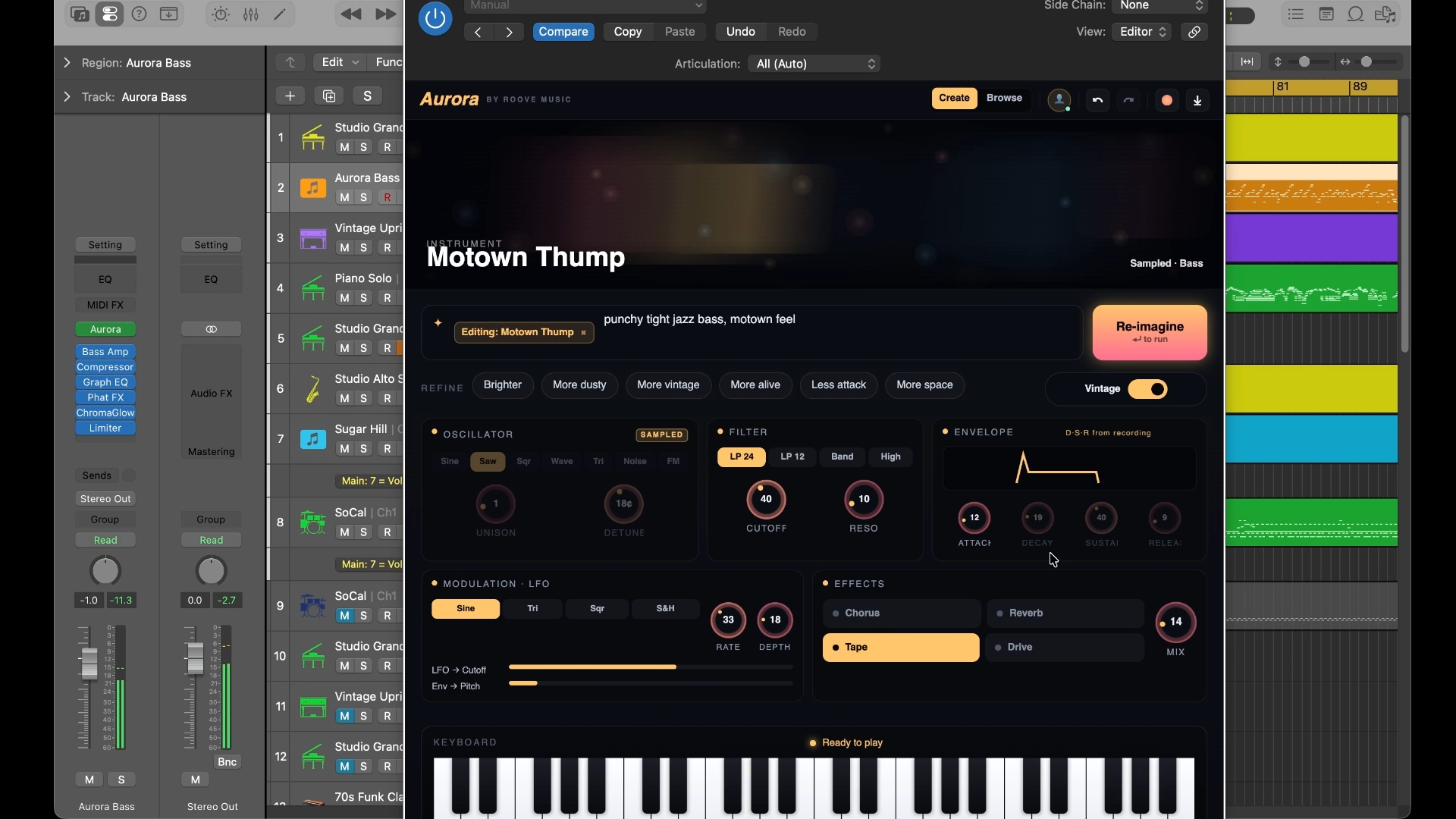
We talk about presets like they're a feature. A selling point. Comes with 800 sounds. But it's worth asking a question nobody asks: why do presets exist at all?
Not "why are they useful." Why did they have to exist in the first place?
The answer isn't flattering to the tools. The preset library was never a creative gift. It was a workaround — the best a machine could offer back when it had no way of understanding what you actually wanted.
A menu is what you build when you can't take a request
Think about how a preset library really works. A synth can make an enormous range of sounds, but the controls to get there are brutal: dozens of parameters, oscillators, filters, envelopes, routing. Reaching a specific sound from scratch takes real expertise and real time.
So the manufacturer does the hard part in advance. They hire sound designers, have them build a few hundred sounds, name them, and ship them in folders. Now you don't have to understand the machine — you just pick from the menu.
That's genuinely helpful. It's also a compromise, and a big one. Because the machine still can't hear you. It can't take your request. It can only hand you a list of decisions other people already made and let you shop.
Every preset library is really a sentence that ends: "...since we couldn't ask what you wanted, here's what we guessed you might."
What the compromise costs
Once you see presets as a workaround instead of a feature, the hidden costs get obvious:
- You start from someone else's decision. The sound is frozen. You inherit their taste, not your own.
- You share your starting point with everyone. The same library ships to thousands of people. The most convenient sounds become the most common ones.
- You do the translation work anyway. "Close enough" still needs an hour of tweaking to become the sound you meant — so you never really escaped the labor, you just moved it.
- The list is finite and fixed. It's only ever as good as the day it was made, and it can't grow toward your idea.
None of that is a flaw in any particular preset. It's the shape of the compromise itself.
The limitation is finally lifting
The reason presets were unavoidable was simple: the machine couldn't understand a description. "Warm, intimate upright piano, soft on the hammers" meant nothing to it. So it fell back on the menu.
That constraint is the thing that's actually changing. When an instrument can take a plain-language description and build a playable sound from it, the whole reason for the preset menu disappears.
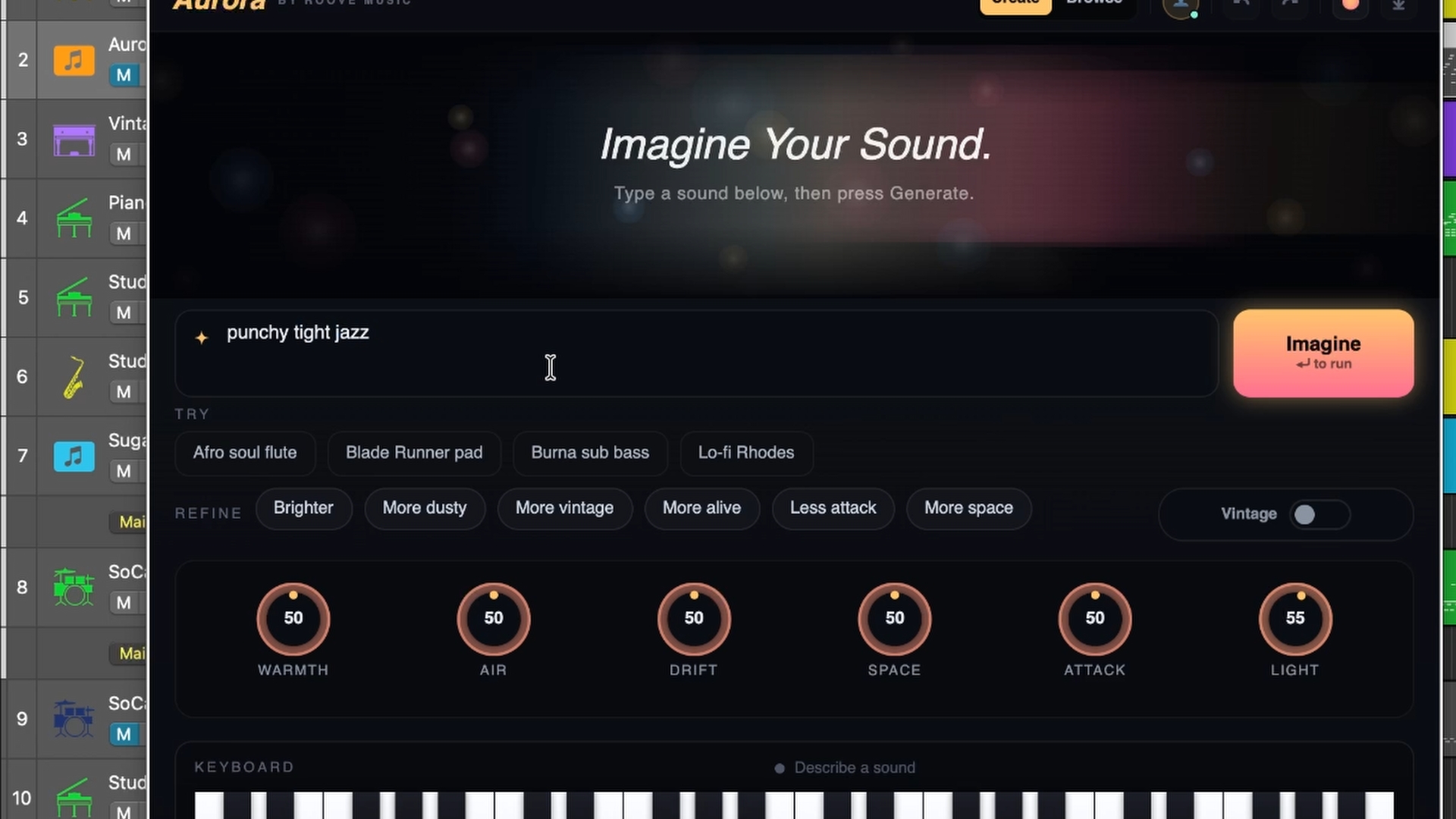 The Aurora plugin building an instrument from a description instead of a preset list.
This is what Aurora does. You don't shop a list — you say what you want, and it responds. The sound isn't retrieved from a folder; it's shaped around your intent, and you refine it from there.
Not the end of presets — the end of needing them
None of this means presets are evil. A good starting sound can be a fine place to begin. The shift is that they're no longer the only door. For decades, the menu was mandatory, because the machine had no other way to serve you. Now it does.
Presets were the answer to a question the tools couldn't ask: what do you want to hear? Once the tools can finally ask it, the menu stops being the main event — and starts being the fallback.
---
Aurora is the instrument you play by describing a sound, not by browsing a list. Try it free, or read about the instrument that ships empty.
Want to hear it for yourself?
Aurora turns a plain-language description into a playable instrument. Try describing a sound — there's a free trial.
Try Aurora