The Tyranny of the Factory Library
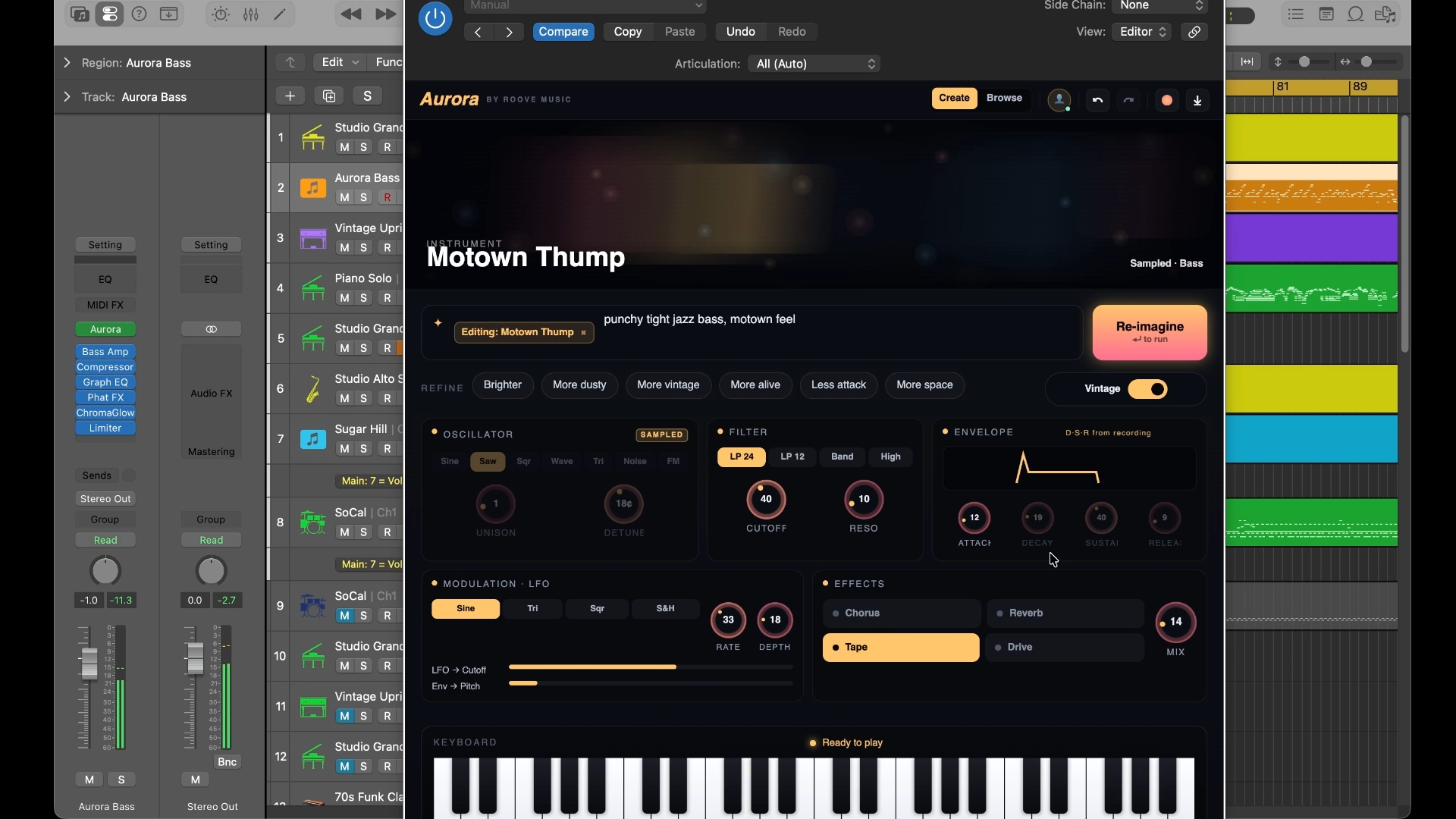
Two thousand presets. It sounds like a dream — total freedom, a sound for every possible moment. It's printed on the box like a trophy.
Now open it in the middle of a session, when you have an idea and thirty seconds of momentum, and watch what actually happens. You scroll. You audition. You scroll more. Fifteen minutes later you're less sure of what you wanted than when you started, and the idea has gone cold in your hands.
That's not freedom. That's a tax, and it's one of the quietest killers of finished songs.
More choice is not more freedom
There's a well-worn finding in psychology: past a certain point, adding options doesn't make people happier or more decisive — it makes them more paralyzed and less satisfied with whatever they pick. A famous study on grocery-store jam displays found that a huge selection drew crowds but killed purchases. Too many choices, and people freeze, then walk away.
A factory library is the jam display. Two thousand presets is not two thousand opportunities — it's two thousand tiny decisions standing between you and a single sound. And every one you audition is a small drain on the exact energy you needed for the music.
The hidden costs of the big library
The paralysis is just the obvious one. Underneath it:
- Decision fatigue is real and cumulative. Every "is this the one?" spends willpower. Do it forty times before you've played a note and you've burned the focus the song needed.
- The anchor effect. The first "good enough" preset quietly becomes your idea. You stop chasing the sound you imagined and start rationalizing the one you found.
- The convenience trap. The sounds nearest the top, in the most obvious folders, get used the most — by everyone. The big library funnels thousands of people toward the same handful of defaults.
- Momentum leaks. The idea that felt urgent when you sat down doesn't survive a fifteen-minute detour. Songs die in those detours far more often than they die from a lack of talent.
The library promises optionality and delivers overhead. You paid for freedom and got a maze.
Fewer decisions, more music
The fix isn't a smaller library. It's not making a decision from a library at all.
If you can just say what you want — describe the sound in your head and get it — the two thousand little decisions collapse into one real one: is this the sound I meant? You're not choosing between options someone else wrote. You're stating an intent and then judging a single result.
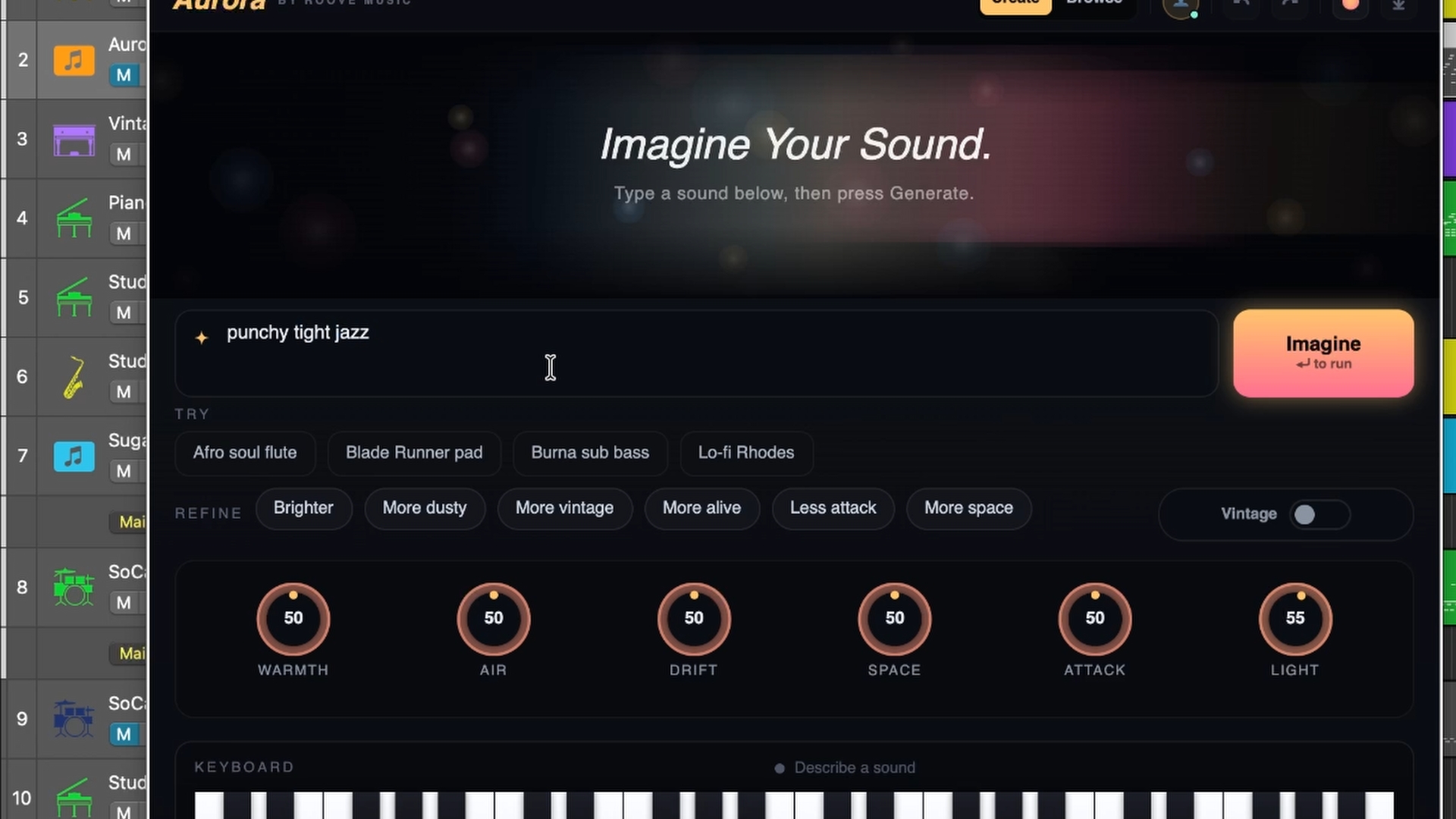 The Aurora plugin, where you describe the sound instead of scrolling a library to find it.
That's the model Aurora runs on. Describe it, play it, and if it's not quite right, nudge it — refine the one sound in front of you instead of restarting the search across two thousand others. The maze disappears. What's left is you, one sound, and your ears.
Protect the thing the library was spending
The real resource in a session was never the number of sounds available. It was your attention and your momentum — the fragile, finite fuel that turns an idea into a finished track.
A giant preset library spends that fuel on browsing. The whole point of describing a sound is to stop spending it there, and put it back where it belongs: on the music.
Two thousand presets was never the flex. Finishing the song was.
---
Aurora replaces the endless library with a single question — what do you want to hear? Try it free, or read why momentum is the most underrated thing in production.
Want to hear it for yourself?
Aurora turns a plain-language description into a playable instrument. Try describing a sound — there's a free trial.
Try Aurora